Posted on July 30th, 2007 at 9:51 pm by admin


ARTHUR BEST OF 2007 LISTS
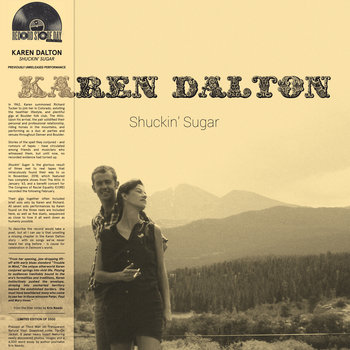
No. 6: Michael SimmonsI’ve never much believed in the artificial man-made time blocks called ‘years’. As the late Skip Spence used to say, “I do not worship the Time God.” I’ve always been comfortable living in the past, present, and future simultaneously, killing time with the earthly as well as the departed. Karen Dalton, my favorite singer of 2007, has been dead for almost 15 years. This past year saw the first release of early live sets of Karen’s called Cotton Eyed Joe: The Loop Tapes/Live In Denver 1962 (Delmore Recordings). Two CDs and a short DVD from 1969-70 shot by a French film crew. Sweet Mother K.D., as her friend Freddy Neil dubbed her, was too real for the shopping mauled world of 20th Century America. She must’ve seen the 21st Century coming, cuz she checked out in time to miss it completely. (You ain’t missin’ nothin’, baby.) Her voice was an exposed nerve wrapped in a fragile rose. Reminiscent of Billie Holliday, another fragile flower, Karen sings eternal standards some call folk music on Cotton Eyed Joe. From Woody (”Pastures of Plenty”) to Bascom Lamar Lunsford (”Mole In The Ground”), from Freddy Neil (”Blues On The Ceiling”) to many songs written by Public Domain (the greatest songwriter ever!), she exudes more soul than a white person can rightfully claim. Soul is a lost value in 21st Century America, primarily because it ain’t for sale. One either has it or doesn’t. No singer with soul shows their pussy to the paparazzi. But the sexiest singers show their soul through song. So it is with Karen.I owned her first two albums on vinyl back in the day: It’s So Hard To Tell Who’s Going To Love You The Best and In My Own Time. The first was released in 1969, the second in 1971. Both have been re-issued on CD. Out of the blue in aught-seven comes these new/old recordings. Her voice doesn’t have the more urbane edge of the later records and that’s partly the charm. She is simply one of the greatest blues singers ever without belonging to any category. In the 1970s I had a band with Peter Stampfel of the Holy Modal Rounders called The Wipe-Out Gang. Peter invited his friends to come sit in with us at gigs. I got to jam and record with Bill Barth and Luke Faust of the wonderful Insect Trust. I begged Peter to get his friend Karen to join us. He would ask her and she said she’d come down, but never did. “Missed it by that much!” as secret agent Maxwell Smart used to say. It’s now 35 years later. I’ve been having a lousy century thus far, but I’ve got these recordings by Karen Dalton and she keeps me company in a cold, cold world.
Above: Karen Dalton performing her version of “It Hurts Me Too”, originally made popular by Elmore James. From a French documentary filmed in NYC, 1969. Sample footage from “Cotton Eyed Joe” DVD.
Karen Dalton
“Cotton Eyed Joe” (DEL01)
The Loop Tapes / Live in Boulder 1962
Release date: October 23, 2007
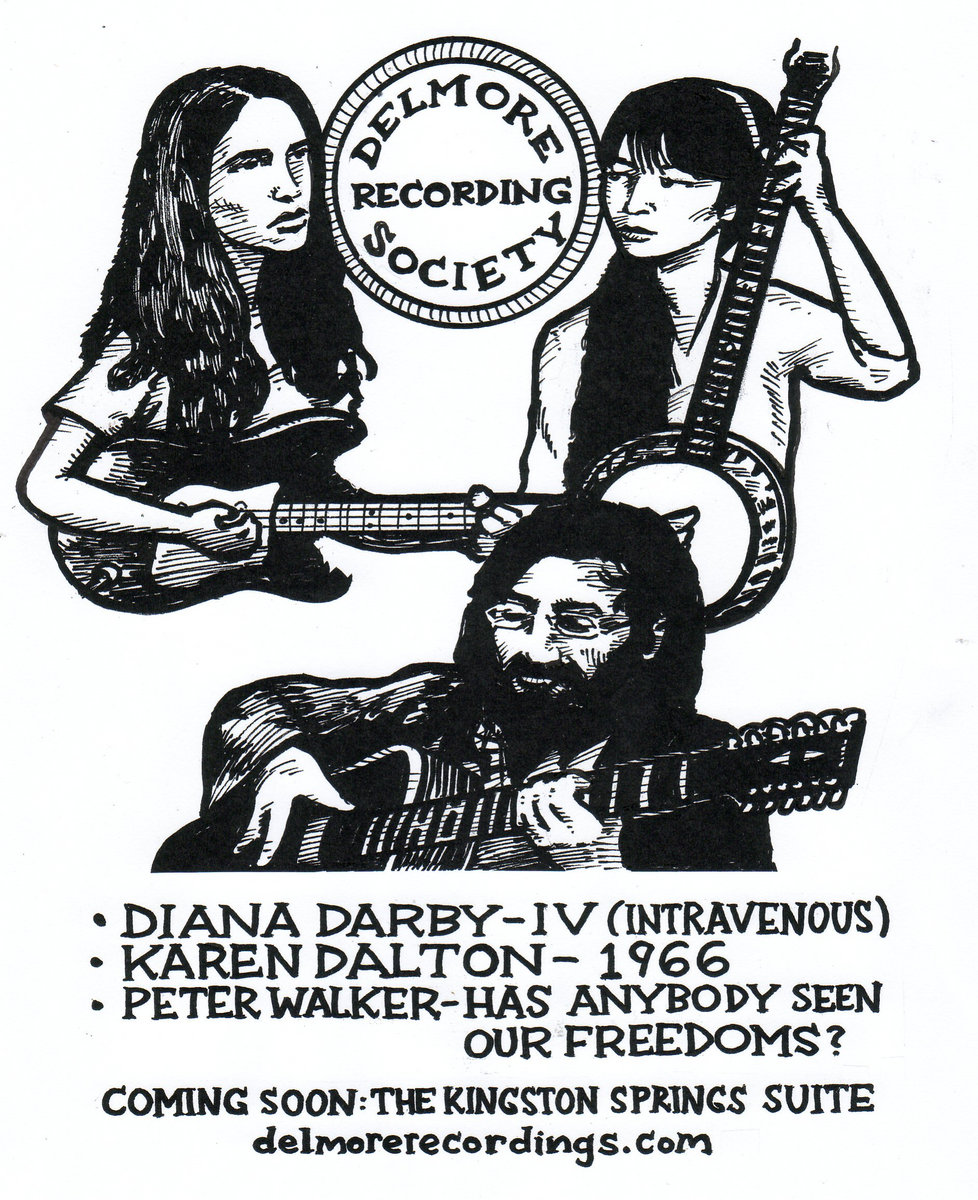
Delmore is proud and excited to announce the release of a double album of previously unheard and unheard of KAREN DALTON live recordings from 1962. Also included and not on the import version is a DVD of live performances.Recorded at The Attic (Boulder) by Joe Loop in October 1962 and featuring KAREN DALTON solo on vocals, 12-string guitar and banjo.The album was remastered by Peter Mew at Abbey Road Studios.These recordings are first of all an unexpected treat because we thought we’d never hear more than her 2 studio albums ‘It’s So Hard To Tell Who’s Going To Love You The Best’ (1969) and ‘In My Own Time’ (1971).Karen Dalton met Joe Loop in Boulder, in 1962. Colorado was a hotbed of folk music and people from both coasts knew about it.Folk singers would stop off in Denver and Boulder en route to California and New York. The sparse population of the area welcomed some company at a time when young nonconformists were personae non gratae in most states. It was a cheap place to live, Boulder had a large University and both cities had very active folk entrepreneurs.Joe Loop - who briefly ran a club called The Attic in Boulder - and Karen hit it off immediately. Joe was originally a jazz man but was very excited by the folk boom. He booked Karen to play The Attic on the spot, immediately recognising her unique style. He also became her occasional drummer, one of her closest friends and, luckily, the engineer and depository of her recorded output at that time.Karen recorded a few songs alone, at home on Joe’s reel-to-reel machine, experimenting and enjoying the potential for overdubs at a time when ‘home studios’ and ‘multi-track’ recordings were far from the norm.She also consented to Joe recording her live performances.The recordings are also a welcome find for the music genealogist.After missing her name in every music history book and encyclopedia for decades, it has been noted recently that Karen was hugely influential on the founding father of Folk-Rock, Fred Neil. In all his life Fred Neil only ever broke his reluctance to make public statements on one subject, to tell of his awe and debt to Karen.Karen Dalton’s first LP was recorded in 1969 and it was hard to guess whether she was inspired by Neil or the reverse. His song Red Are The Flowers for instance, as recorded on his 1964 first album ‘Tear Down The Walls’ (as ‘Red Flowers’) in a duet with Vince Martin - was more in line in terms of style and tempo with the day’s hootenannys than with the LPs that Fred would eventually record in 1966 (’Fred Neil’) and 1967 (’Sessions’) under the benevolent laissez-faire of Nik Venet.Karen Dalton’s rendition of ‘Red Are The Flowers’ on The Loop Tapes showcase her playing Fred’s song in the style that he would later evolve into, when unhinged, and foretells the lyricism that one Tim Buckley would self-admittedly lift from his all-time model, Neil.Another example is ‘It’s Alright’, a breath-taking cover of a Ray Charles’ tune. Another major singer-songwriter under Karen’s spell, Tim Hardin, made no secret of his passion for Ray’s music. Hardin is known to have turned from art to music because of his encounter with Karen in New York and he spent most of the sixties next to Karen and Joe Loop around Boulder.